Begin with where washing fits into the day
Describe who will use the station and what they will be doing nearby. A construction crew taking breaks, guests leaving portable restrooms, and volunteers working at an outdoor gathering create different patterns of use. The number of users matters, but so do the busiest periods and the amount of time the site remains occupied.
Tell us whether an existing sink is available and why an additional washing point is needed. A permanent restroom across a locked building or far from the activity area may not provide practical access throughout the day. Sharing the whole setup helps make the requested station location and replenishment discussion more useful.
Confirm the equipment features in the quote
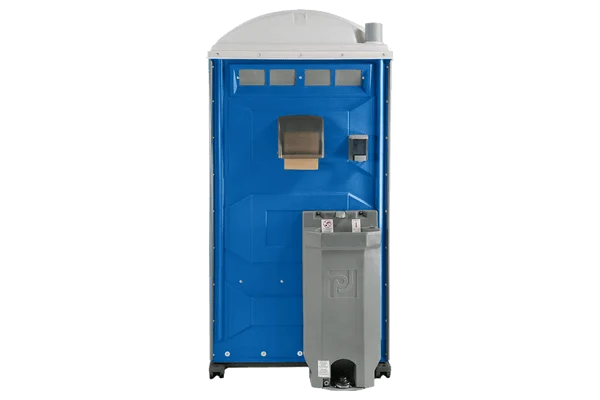
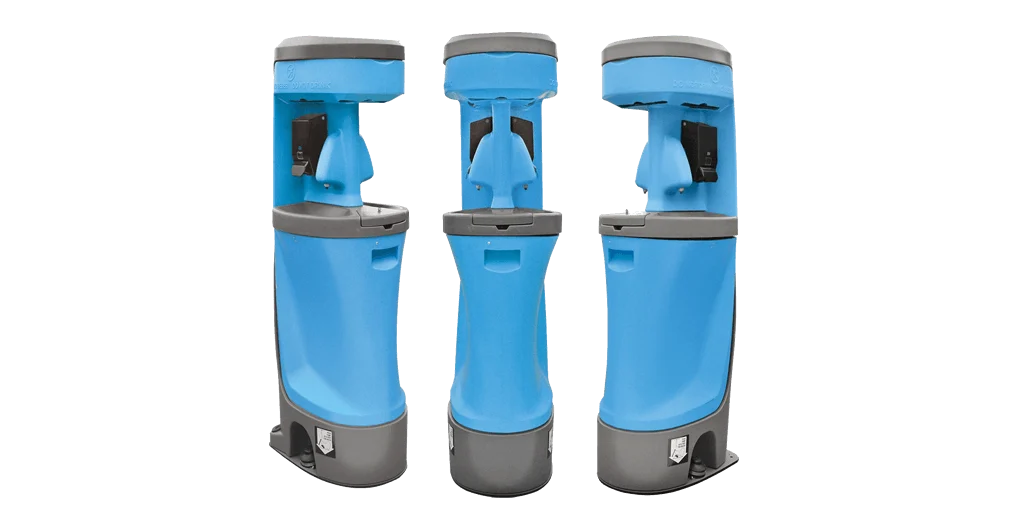
Handwashing stations are not all configured alike. Ask about the particular model proposed, including how water is dispensed, what washing positions it provides, and which supplies are included. If a feature matters for your users or activity, have it confirmed rather than relying on a generic picture or an assumption about portable equipment.
Also ask about any setup requirements and operating instructions. Do not assume a station connects to a hose, has hot water, uses a particular pump, or meets a specialized need without confirmation. If your request includes portable restrooms as well, make sure the washing station is listed as its own item so the planned equipment is clear.
Choose a visible location with room to approach
A station works best as part of an understandable route. Near portable restrooms, place it where users can see it when leaving, while keeping both entrances and footpaths open. At an event, consider tables, queues, tent edges, and places where guests naturally pause. On a jobsite, account for moving equipment and delivery traffic.
Review the surface and the surrounding space. The station needs an appropriate stable location, and people need a practical way to stand, approach, and move away. Ask about access needs for the expected users and review the confirmed model with the property manager. Equipment choice alone does not resolve barriers along the route.
Plan for water and supplies to be replenished
The number of people using a station and the length of the rental influence how its water and consumables should be managed. Ask which replenishment tasks are included in the proposed service and how often they are planned. Clarify responsibility for checking supplies between visits so a busy period does not leave the station unusable.
Do not add liquids, substitute products, or attempt to refill an unfamiliar unit without the provider's instructions. The equipment may have separate compartments or specific handling requirements. If water stops dispensing or supplies run low, report the issue and ask what action is appropriate. Confirm any added service request and its timing with the office. A brief check at the beginning of each operating period can catch an empty dispenser or a dispensing problem before a queue forms. Record what you observe and when it happens. That is more helpful when requesting support than simply reporting that the station seems busy, and it can inform the next servicing discussion.
Understand wastewater handling before placement
Used wash water needs an agreed handling plan. Ask how wastewater is contained and removed for the station being quoted, and make sure servicing access is maintained. Avoid assuming that water can be emptied onto landscaping, into a street drain, or into another fixture. The provider should explain the intended servicing arrangement.
During use, watch for visible leakage, pooling, or a surface becoming slippery around the station. Keep people away from an affected area when needed and contact the office. A station moved onto a slope or crowded by other equipment may create new problems, so discuss relocation before changing the agreed position.
Support sensible hygiene without overpromising
A stocked, functioning washing point gives people a practical opportunity to clean their hands, but the rental itself does not guarantee how anyone uses it. Keep the station noticeable, maintain supplies according to the agreed plan, and consider simple directions to help people find it. Ask for operating guidance that matches the confirmed equipment.
If your site involves food handling, childcare, workplace requirements, or another activity with specific obligations, consult the responsible organization or relevant authority about the facilities required. A general handwashing rental should not be assumed to satisfy every specialized requirement. Explain the intended activity before booking so suitability questions can be raised early.
Coordinate delivery with the rest of the site
Give the office the actual delivery entrance, the proposed station location, and a reachable contact. Explain any gate, parking, surface, or timing restriction. In North Richland Hills, the details of an individual yard, business property, or worksite can affect the plan more than the street address alone.
If the station arrives with other rental equipment, decide its location before tables, fencing, or stored materials restrict access. Keep the service route clear throughout the rental. For outdoor sites, review drainage and changing ground conditions, and ask how weather-related placement concerns should be handled rather than improvising a move after delivery.
Request a rental that covers the full period of use
Include setup crews and cleanup activity when describing the rental dates. Tell us about any busy days, shift changes, or multiday schedule that could affect supply use. Ask the quote to identify the equipment, delivery, pickup, planned servicing, included consumables, and any optional replenishment so you understand the proposed arrangement.
Call PRIME TIME PORTA POTTY at +1 (682) 343-6003 during business hours, Monday–Saturday, 7am–7pm. Online emergency requests may be submitted 24/7, with callbacks during business hours. Describe the issue and provide contact details, but wait for confirmation of availability, service timing, and any change to the rental.
Your quote checklist
- Explain the activity and expected number of users.
- Confirm model features and included supplies.
- Select a visible, stable placement area.
- Agree on replenishment and wastewater servicing.
- Identify a contact for checks and reported issues.
Your handwashing stations questions
Is a handwashing station the same as a sanitizer dispenser?
They provide different facilities. Confirm that your request is for the type of washing equipment your activity needs, and ask what water dispensing features and supplies are included. Do not assume one option can replace another for a specific requirement.
Does the station need a water connection?
That depends on the confirmed equipment. Ask about setup needs, water supply, and servicing before booking. Share whether your proposed location has utilities, but do not arrange a connection until the provider explains what the selected model requires.
Can I refill soap or water myself?
Ask for instructions and confirmation of who is responsible for replenishment. Different equipment may have particular products, compartments, or handling requirements. If a supply runs low, contact the office rather than adding an unapproved product or liquid.
Where should the station sit beside a portable restroom?
Choose a visible position along the exit route with room for people to wash without blocking the restroom door. The surface, accessibility of the approach, and service access also need review. Confirm the final location during rental planning.
Can one station support a multiday event?
Discuss expected users, event hours, and replenishment requirements. Rental length alone does not determine whether a particular setup is suitable. The equipment quantity and service plan should be reviewed together, with arrangements confirmed before the gathering begins.
Let’s plan the details together.
Call PRIME TIME PORTA POTTY at (682) 343-6003 Monday–Saturday, 7am–7pm Central. You can also send a quote request with your location and dates. For urgent needs, use our 24/7 online emergency request page; callbacks are during business hours.