
Start with the moments when guests will wash their hands
For an outdoor gathering in North Richland Hills, handwashing deserves its own small plan. A station may be included in a rental conversation, but its usefulness depends on where people encounter it, whether they can operate it comfortably, and who keeps it supplied throughout the day.
Walk through the gathering from a guest's perspective. People may look for a sink after using a restroom, before sitting down to eat, or after a hands-on activity. Mark those moments on your site sketch. A shared meal can concentrate demand into a short window, even when attendance is modest. Tell the rental provider about these likely peaks when discussing station quantity and capacity.
If the venue already has sinks, confirm when they are open, who may use them, and whether they remain reachable once your event is set up. A sink inside a locked building will not support an evening gathering. Include volunteers and vendors in the conversation about expected use.
Ask about the exact station model
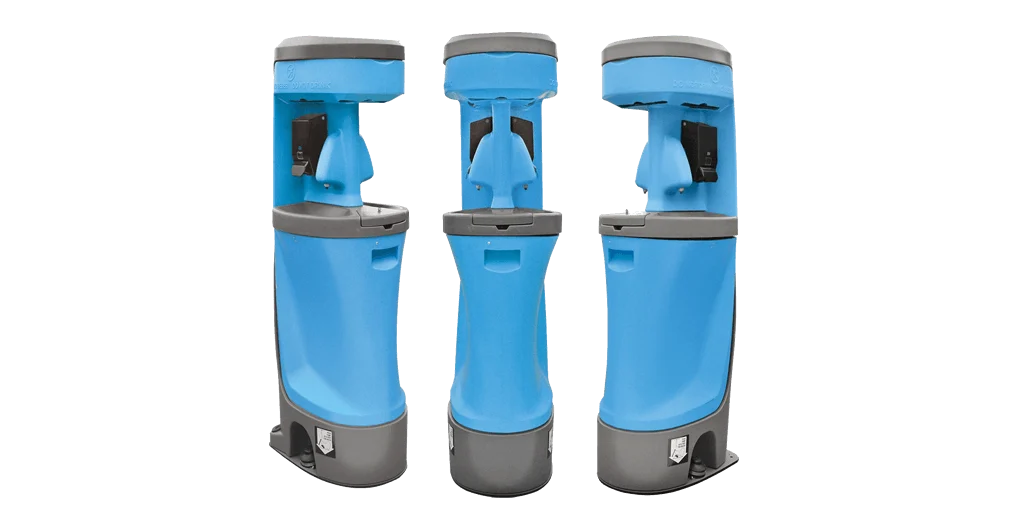
A photo and model description are more useful than the label handwashing station alone. Ask how many people can use the unit at once, how water is activated, and whether the quoted setup includes soap and paper-towel dispensers. Confirm whether those dispensers arrive stocked and whether additional supplies are included or arranged separately.
Also ask whether the model needs a water connection, electricity, or any other site provision. Do not assume that every station operates independently or provides the same water features. Request the unit's footprint and the working space needed around it, including room for guests and service access. These answers let you reserve a real place on the layout before tables, tents, and equipment occupy it.
Discuss fresh water and collected wastewater together
The fresh-water supply is only one side of capacity planning. Ask the provider about the station's fresh-water and wastewater capacities, the expected usable capacity for your gathering, and any conditions that affect its estimate. Tank size alone does not tell you how long a unit will serve your guests.
Share the attendance estimate, event duration, busiest meal or activity periods, and whether the station will remain available during setup or cleanup. A two-day gathering also needs a plan for the interval between days. Confirm who will replenish water, who will collect wastewater, and whether a service visit is needed. Have the provider explain what event staff should do if a station runs low, stops dispensing, or needs attention.
Place stations where guests will naturally find them
Use the site sketch to connect restroom exits, eating areas, and activities with practical walking routes. Guests should be able to spot a station without searching behind a tent or walking through a service area. If one location serves several areas, consider whether people approaching from different directions could form an awkward crossing or queue.
Keep the operating area clear of entrances, food-service lines, cables, and table seating. Discuss the surface and placement with the provider so the unit can be set up as intended. Leave room for people to use dispensers and dispose of paper towels in a suitable nearby bin. Revisit the plan after the other event furniture is positioned; a clear route on paper can become crowded during setup.
Check access and operation for your guests
Describe accessibility needs early and ask which model and arrangement can accommodate them. Consider the approach surface, space beside the unit, basin and dispenser reach, and the way water is activated. A station's location and its controls both affect whether a guest can use it comfortably.
For gatherings with children, ask about a suitable setup instead of improvising an unstable step. If someone will need assistance, decide how that support will be available. Once the station is delivered, review the actual approach and operating space before guests arrive, and keep that space clear throughout the gathering.
Give supply checks a named owner
Assign a person to check each station before opening, around expected busy periods, and at agreed intervals during the event. The checklist can be short: water dispensing as expected, soap available, towels available, nearby bin manageable, and the surrounding area clear. Ask the provider which checks staff can perform and which issues need a service call.
Keep any agreed replacement supplies in a known, suitable place, with clear instructions about who can restock them. When volunteers or staff change shifts, hand over the station status as well as the supplies. A simple note identifying a low dispenser or a requested service visit prevents the next person from assuming everything was already handled.
Close the loop on service and pickup
Before the gathering, record the provider's service contact, agreed replenishment and collection arrangements, and pickup access instructions. Identify who will meet the crew and when guests will finish using the stations. Keep the service route available during cleanup, and confirm whether units should remain in their delivered positions for collection.
To discuss handwashing stations for your North Richland Hills gathering, contact PRIME TIME PORTA POTTY at +1 (682) 343-6003. Callback hours are Monday through Saturday, 7am–7pm Central. Online emergency requests are accepted 24/7; callback hours still apply. Have your event schedule, site sketch, and accessibility questions ready so the conversation can focus on the setup you need.
Ready to turn your plans into a rental?
Explore our portable restroom services or request a quote for your North Richland Hills location. Call (682) 343-6003 Monday–Saturday, 7am–7pm Central.